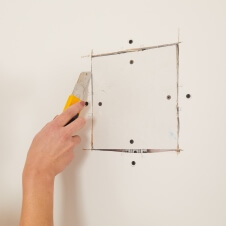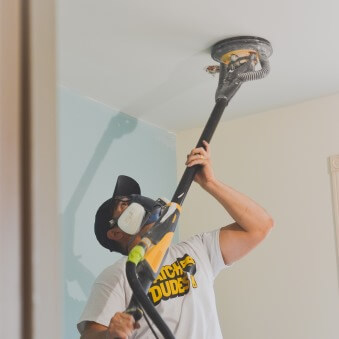

Older homes in the Greater Toronto Area (GTA) have charm and character, but their age also brings unique challenges, especially when it comes to ceiling repair. Whether you’re dealing with sagging plaster, water damage, outdated materials, or structural issues, professional insight can make all the difference.
At Patch Dudes, we deal with a lot of ceiling repair and popcorn ceiling removal – and we’ve seen it all! This guide will walk you through the main things to consider if you’re repairing ceilings in an older house.
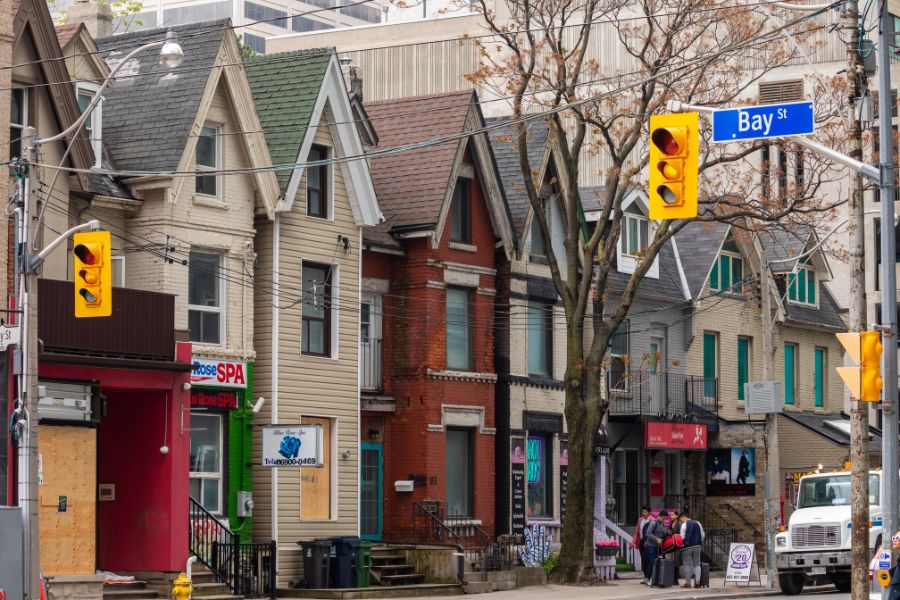
1. Identifying the Root Cause: Water Damage & Settlement
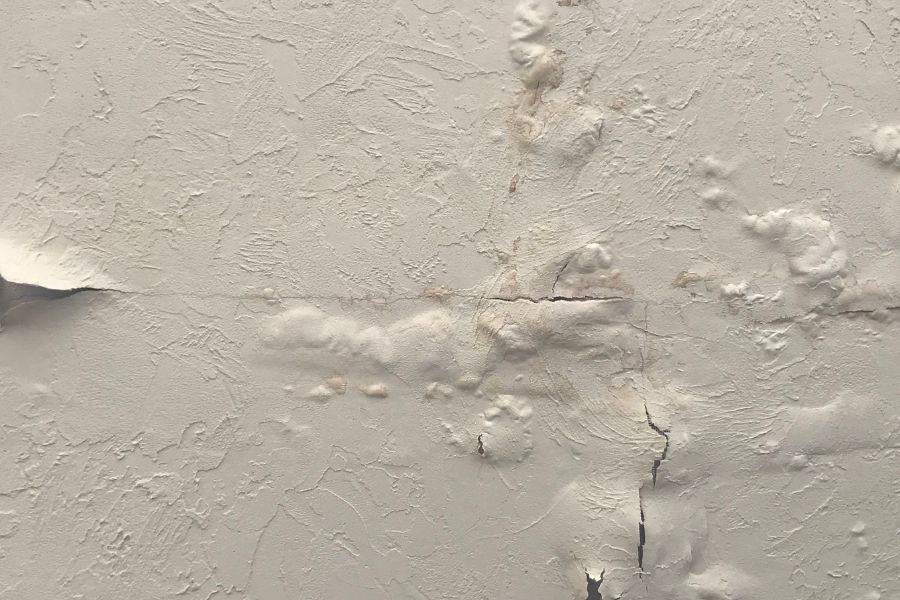
Water intrusion is one of the most common issues ceilings in older homes face. In older GTA homes, this often stems from:
- Roof leaks: due to aging shingles, flashing failure, or lack of attic maintenance.
- Aging plumbing: steel or cast-iron pipes that corrode and leak over time.
- Poor bath ventilation: consistently humid environments lead to moisture buildup.
Structural settling across decades can also cause hairline cracks or sagging. This is a normal phenomenon, but larger cracks (over 1 cm wide) may signal foundational issues and should be assessed by a professional.
2. Plaster vs. Drywall Ceilings: Repair Differences
Older homes often feature plaster-and-lath ceilings, which require specialized repair methods:
- Plaster ceilings may separate or delaminate from the wood lath over time. Hairline cracks are normal, but extensive damage may call for plaster patching or even drylining over the structure.
- Drywall patches are simpler and more forgiving, meaning damage is easier to repair, and the materials are more easily replaced.
3. Hidden Hazards: Asbestos & Lead Paint
Houses built before the 1980s may contain hazardous materials:
- Asbestos in textured ceilings, plaster, insulation, or pipe wraps requires cautious handling and professional removal.
- Lead paint may also be present, posing risks during sanding or demolition.
Always test before you start. Use licensed professionals for abatement to ensure safety.
4. Structural Reinforcement: Joists, Beams & Foundations
Sagging ceilings often reflect deeper structural issues:
- Sagging occurs when ceiling joists or beams weaken or deteriorate over time.
- Foundation settling can pull on ceiling framing, causing cracks and uneven surfaces.
Reinforcement techniques include sistering joists, reinforcing beams, and addressing foundation issues. A structural engineer’s evaluation is strongly recommended.
5. Heritage Regulations & Permit Requirements
If your home is heritage-designated or in a conservation district, even small changes may require permits or approval. You might need:
- Approval from Toronto’s Heritage Planning staff
- Submission of detailed plans for the work
- Batch approval processes that can take weeks or months
Start early by contacting 311 or Heritage Planning to avoid surprises.
6. Ventilation, Insulation & Drafts
Old homes often lack adequate thermal and air barrier performance:
- Poor attic insulation and ventilation can lead to condensation and ceiling damage.
- Drafts around electrical, vents, or recessed lighting can exacerbate moisture and temperature fluctuations.
Upgrading insulation, sealing penetrations, and improving ventilation are essential steps before finishing ceiling repairs.
7. Pest Infestations & Material Deterioration
Over time, critters can damage ceiling support structures:
- Rodents, termites, and bees may invade attics and ceilings, compromising wood framing.
- Rot and water-damaged wood can undermine joists and lath used to support plaster.
Inspect for droppings, nesting, or leaks, and address pest control before restoring the ceiling if necessary.
8. Match the Look: Repair vs Replace
Deciding whether to restore or replace depends on your goals:
- Restore plaster ceilings when preserving historical character bye using skilled plasterers to patch and skim.
- Replace with drywall for easier repair and future maintenance, but recognize that drywall may alter ceiling depth or change cornice profiles.
Pro Tips for GTA Homeowners
- Start with a full inspection: Roof, plumbing, insulation, foundation, and framing.
- Engage licensed professionals: Structural engineers, abatement specialists, and electricians.
- Budget for multiple trades: Ceilings often require plumber, electrician, insulation, framing, plasterer, and painter.
- Protect your home: Seal off dust zones, wrap furniture, and control debris during repairs.
- Apply appropriate finishes: Use PVA primer and quality paint for final results after repair and restoration.
Old-Home Ceilings Deserve Care & Expertise
Ceiling repair in older GTA homes is far more than a surface fix. Identifying the underlying cause, whether moisture, settling, structural damage, or hazardous materials, is key to a lasting repair. By understanding these special considerations and working with skilled professionals, you can protect your home’s history while ensuring its structural longevity.
For expert ceiling repairs and popcorn ceiling removal, Patch Dudes is here to help. We understand the unique challenges of older homes and deliver solutions that respect both form and function. Contact us today for a consultation!