Drywall might seem like a tough, static material, but it’s far more sensitive to temperature and moisture than many homeowners realize. In a climate like Toronto’s, where freezing winters and humid summers are the norm, drywall is constantly reacting to changing indoor conditions.
Whether you’re renovating a home, repairing damage, or installing new drywall altogether, understanding how local weather impacts drywall performance is essential for long-lasting, professional results. In this blog, we’ll explain how Toronto’s weather conditions affect drywall, the signs of weather-related damage, and what materials and installation practices help protect your walls and ceilings from seasonal issues.
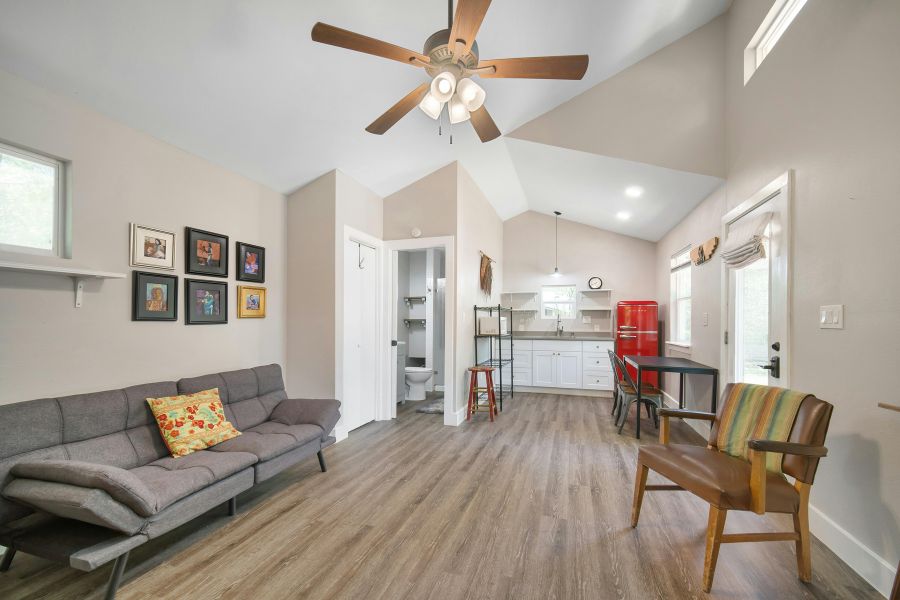
At Patch Dudes, we’ve seen it all – from humidity warping ceilings in older condos to cold snaps causing cracks in suburban homes. Our team has handled thousands of drywall jobs across the GTA, and we know exactly how to work with (and around) Toronto’s ever-changing climate. Here’s what homeowners and contractors need to know.
Toronto Winters: Cold, Dry Air and Drywall Shrinking
How Cold Affects Drywall
Toronto’s winters bring below-freezing temperatures and extremely dry air, especially once heating systems kick on. This creates an indoor environment where humidity levels can plummet below 20%.
What this means for drywall:
- Shrinkage: Drywall panels can contract in low humidity, leading to visible seams, cracks, and nail or screw pops.
- Tape Separation: Joint compound dries out, causing tape to bubble, wrinkle, or peel away from seams.
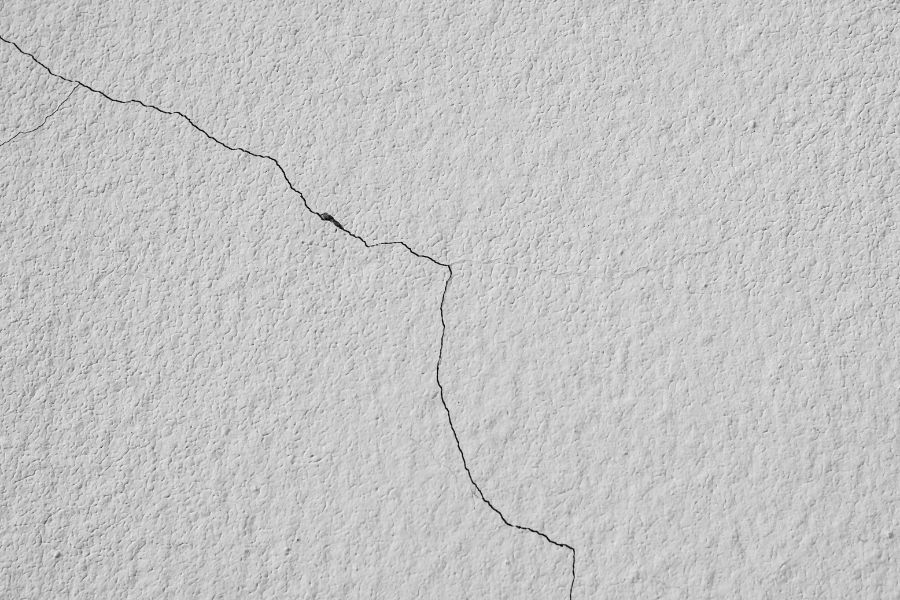
- Cracks at Corners and Ceilings: Stress fractures can appear where walls meet ceilings or around door/window frames due to seasonal movement.
How to Prevent Damage:
- Maintain indoor humidity between 35%–50% using a humidifier
- Use flexible, high-quality joint compounds that can better withstand expansion and contraction
- Avoid taping in very dry conditions unless humidity is artificially controlled
- Consider 5/8″ Type X drywall for better durability in colder areas like basements or garages
Summer in the GTA: High Humidity & Moisture Woes
How Humid Conditions Impact Drywall
During Toronto’s humid summer months, moisture levels in the air rise dramatically, especially in basements, bathrooms, and poorly ventilated spaces.
Humidity issues can cause:
- Drywall to Swell: Moisture absorption causes panels to expand, which can lead to uneven surfaces or bubbling under paint.
- Mildew or Mold: High humidity creates the perfect environment for mold to grow behind or on drywall, especially if it’s not moisture-resistant.
- Taping Issues: Joint compound may dry too slowly or not adhere properly in overly damp environments.
Solutions & Materials to Use:
- Use moisture-resistant drywall (green board or mold-resistant purple board) in bathrooms, kitchens, and basements
- Run a dehumidifier in problem areas during peak summer months
- Install ventilation fans in bathrooms and laundry rooms to reduce moisture buildup
- Prime all drywall with a quality PVA primer before painting to seal the surface
Seasonal Transitions: Expansion, Contraction & Cracking
Toronto’s dramatic temperature swings from spring to fall can cause building materials to expand and contract multiple times per year. These changes don’t just affect drywall; they also stress the framing underneath it.
The result?
- Hairline Cracks in Ceilings or Corners
- Visible Seams Around Windows and Doors
- Gaps in Crown Moulding or Baseboards
While these issues are common, they’re also preventable with the right installation techniques and ongoing care.
Best Practices:
- Allow drywall sheets to acclimate to indoor conditions before installation (24–48 hours)
- Don’t rush the taping and sanding process – joint compound needs to cure properly in normal humidity
- Apply a flexible caulking or elastomeric patching compound to high-movement areas to prevent future cracking
- Conduct seasonal inspections and touch-ups to catch issues early
Poor Indoor Airflow & Its Impact on Drywall
In homes with poor ventilation or uneven heating/cooling, certain walls or ceilings may experience microclimates – areas where the drywall is exposed to very different conditions than the rest of the room.
This is especially common in:
- Attics converted into living spaces
- Cold exterior basement walls
- Condos with floor-to-ceiling windows that trap heat
Issues can include:
- Condensation buildup behind drywall
- Peeling or bubbling paint
- Warping or bowing drywall sheets
Pro Tips:
- Insulate exterior walls properly before installing drywall
- Use vapor barriers in moisture-prone rooms
- Keep HVAC systems balanced and ensure adequate airflow throughout the home
- Consider a full drywall assessment during any renovation to catch hidden moisture or airflow issues
How Patch Dudes Builds Drywall to Withstand Toronto’s Weather
At Patch Dudes, we tailor every drywall job to Toronto’s specific environmental challenges. Whether we’re working in a downtown condo or a detached home in Scarborough, our team knows how to install drywall that holds up across all four seasons.
Here’s how we do it:
- We use moisture-resistant and fire-rated drywall where applicable
- We always check indoor humidity levels before starting tape and mud work
- Our finishing process includes multiple skim coats, sanding, priming, and inspection under LED lights
- We provide honest advice about when patching is enough—and when a full replacement is worth it
- Every job site is kept clean, safe, and professionally managed from start to finish
Seasonal Damage? Trust Toronto’s Drywall Repair Experts
Toronto’s weather isn’t easy on drywall, but with the right techniques, materials, and care, your walls and ceilings can look flawless for years to come. From freezing cold to sticky humidity, Patch Dudes understands how to work with the local climate instead of fighting against it.
If you’re dealing with cracks, bubbling paint, or soft drywall in your home or condo, don’t wait until the damage worsens. Contact Patch Dudes today for expert drywall repairs and installations across the GTA – done once, done right.